In urban and suburban environments, outdoor space often comes at a premium. Yet even a small balcony, courtyard, or narrow strip of land can become a welcoming habitat for local bird species. Designing a bird-friendly garden in a limited area requires thoughtful planning, a focus on native vegetation, and an understanding of the basic needs that birds have: food, water, shelter, and nesting sites. This article explores practical approaches to transforming a compact outdoor area into a space that supports avian visitors, with an emphasis on ecological balance and sustainable practices.
For those living in Estonia, the changing seasons present unique opportunities and challenges. The short but intense summer provides a burst of plant growth, while the long winters demand that any garden features be resilient and provide year-round benefits. By selecting appropriate plant species and incorporating simple structural elements, even the smallest garden can become a vital resource for birds throughout the year. The strategies outlined here are designed to be adaptable, scale-appropriate, and aligned with the principles of biodiversity conservation.
Selecting Native Plants for Small Gardens
The foundation of any bird-friendly garden is the plant life it contains. Native plants are particularly valuable because they have evolved in the local ecosystem and support a wide range of insects, which in turn provide a crucial protein source for many birds. In a small garden, every plant choice matters, so it is important to prioritize species that offer multiple benefits, such as berries, seeds, and foliage that attracts insects.
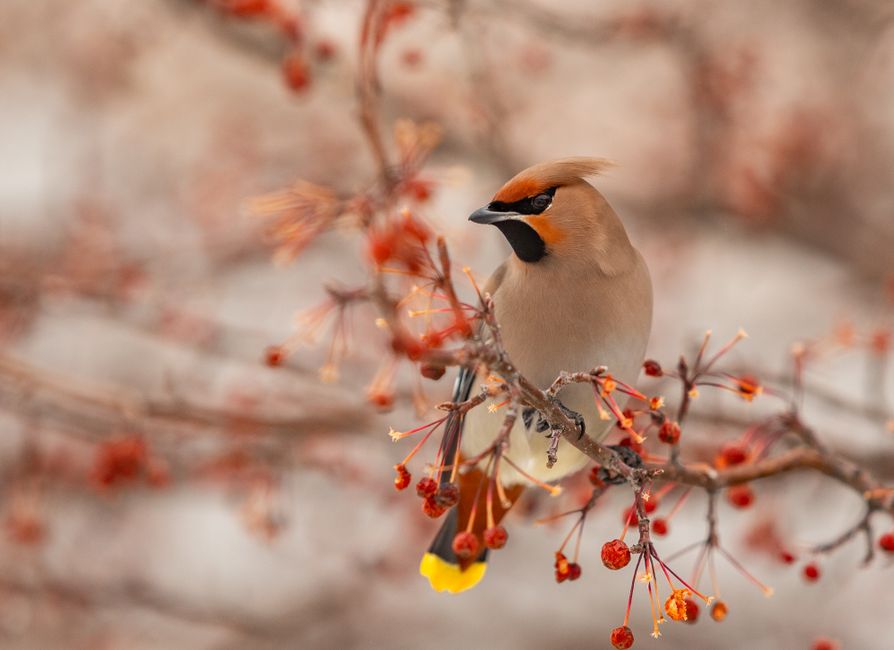
When planning a compact garden, consider a mix of trees, shrubs, and herbaceous plants. For example, the rowan (Sorbus aucuparia) is a small tree that produces clusters of red berries in late summer, a favorite of thrushes and waxwings. Similarly, the common juniper (Juniperus communis) offers evergreen cover and berries that persist into winter. Shrubs like the blackthorn (Prunus spinosa) and the dog rose (Rosa canina) not only provide berries but also dense branching that serves as nesting sites and shelter from predators.
Herbaceous perennials, such as the common knapweed (Centaurea nigra) and the meadow crane’s-bill (Geranium pratense), attract insects with their flowers and later produce seeds that finches and sparrows will consume. To make the most of limited space, plant in layers: tall plants in the back or center, lower plants in front, and ground covers to reduce soil erosion and suppress weeds. This vertical stratification maximizes the number of plant species within a small footprint and creates a more complex habitat.
It is also advisable to avoid cultivars that have been bred for double flowers or sterile seeds, as these often lack the nectar and fruit that wildlife depends on. Instead, opt for species that are known to be beneficial in the region. Local gardening centers and native plant societies can provide guidance on which species are best suited for the local climate and soil conditions. By choosing a diverse array of native plants, gardeners can ensure a steady supply of food and shelter across the seasons.
Incorporating a Water Feature
Water is an essential resource for birds, both for drinking and bathing. A simple birdbath or a small shallow dish can suffice, but there are several factors to consider to make it safe and attractive. In a small garden, a water feature can serve as a focal point and a gathering place for various species.
When selecting a birdbath, choose one with a rough surface to provide good footing, and maintain a water depth of no more than two to three inches. This allows smaller birds to bathe without risk of drowning. Placing the birdbath near a shrub or a low tree branch gives birds a place to perch and preen after bathing, while also offering a quick escape route if a predator approaches. It is important to keep the water fresh and clean, changing it every few days during the warmer months to prevent mosquito breeding and to reduce the spread of disease.
During winter in Estonia, water can freeze, so it may be necessary to provide a heated birdbath or to break the ice daily. Another option is to use a shallow container that can be easily refreshed. Even a simple saucer placed on the ground can serve as a temporary water source. The presence of water year-round is crucial, as birds often rely on these sources when natural water bodies are frozen or scarce.
If space allows, a small pond can be created using a pre-formed liner or a container. With just a few square feet, one can dig and line a tiny basin that accommodates a variety of birds and may even attract other wildlife. Ensure that the pond has sloping sides or a flat rock to provide safe access. Adding a small pump or a dripper not only keeps the water moving but also creates a sound that birds find attractive. Regular maintenance, such as removing leaves and preventing algae growth, will keep the feature healthy.
Providing Nesting Opportunities
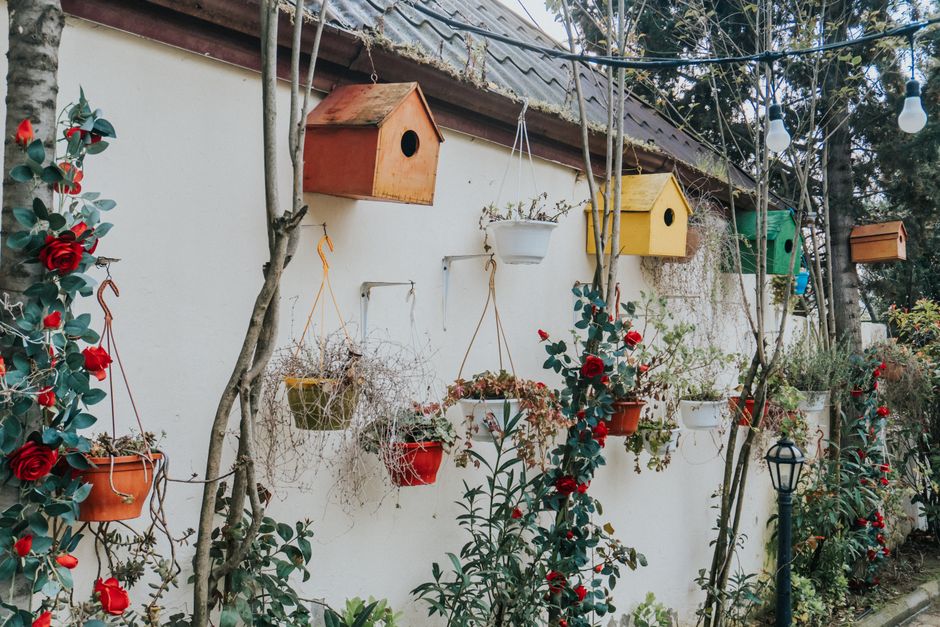
Nesting sites are critical for birds to raise their young. In small gardens, natural cavities may be scarce, so offering artificial nest boxes can be highly effective. When choosing nest boxes, it is essential to match the dimensions and entrance hole size to the target species. For instance, a box with a 28mm entrance hole will attract blue tits, while a 32mm hole is suitable for great tits and house sparrows. The box should be mounted at a height of 2-4 meters, facing between north and east to avoid direct sun and strong winds, and positioned away from busy areas to minimize disturbance.
In addition to nest boxes, leaving areas of dense vegetation, such as a thick hedge or a pile of twigs and branches, can provide natural nesting sites. Many birds, including blackbirds and wrens, prefer to nest in such thickets. If space is very limited, consider using climbing plants like ivy or honeysuckle, which can grow up walls or fences and create cover and nesting opportunities.
Nesting materials are also necessary. Some birds, like the long-tailed tit, use moss and lichen, while others use grass, feathers, and animal hair. Gardeners can facilitate this by leaving a small pile of dry grass, pet fur, or feathers in a sheltered spot. Avoid using synthetic materials or dryer lint, as these can be harmful.
The timing of installing nest boxes is also important. Ideally, boxes should be put up in late winter or early spring, before the breeding season begins. Regular cleaning of boxes in the autumn, after the birds have fledged, helps to reduce parasites and encourages repeated use. By providing these structural supports, a small garden can become a valuable breeding habitat for several bird species.
Ensuring a Safe Environment
Beyond food, water, and shelter, it is crucial to minimize threats. A small garden can still pose dangers, such as collisions with windows and predation by domestic cats. Taking measures to reduce these risks will make the space more inviting and secure for birds.
To prevent window collisions, apply decals, films, or patterns to the outside of windows, or install external screens. Positioning feeders and birdbaths either very close to windows (within one meter) or farther away (more than three meters) can also reduce the chance of fatal strikes. In Estonia, where migratory birds pass through, such precautions are particularly important.
Domestic cats are a major threat to garden birds. Keeping cats indoors or on a leash, especially during dawn and dusk when birds are most active, is an effective measure. Additionally, placing feeders and nest boxes in locations that are not easily accessible to cats, such as high on poles with baffles, can offer protection. A dense shrub or a thorny bush can serve as a refuge for birds to escape predators.
Pesticides and herbicides should be avoided in a bird-friendly garden, as they reduce insect populations that birds rely on and can poison birds directly. Instead, embrace a more natural approach, tolerating some pests and using integrated pest management techniques. By creating a safe and low-disturbance environment, gardeners can ensure that their small space serves as a genuine sanctuary.
Seasonal Care and Maintenance
A bird-friendly garden requires ongoing attention throughout the year. In spring, it is important to clean and repair nest boxes, and to ensure that water sources are thawed and clean. Planting should be done in early spring or autumn to give plants time to establish. In summer, regular watering is necessary for new plants, and it is helpful to observe bird activity to monitor the garden’s effectiveness.
Autumn is the time to plant bulbs and to allow some plants to go to seed, as this provides a natural food source. Leaving seed heads of perennials like sunflowers and coneflowers standing can attract finches and sparrows. It is also a good time to prune shrubs and trees, though it is best to avoid heavy pruning during the nesting season of birds.
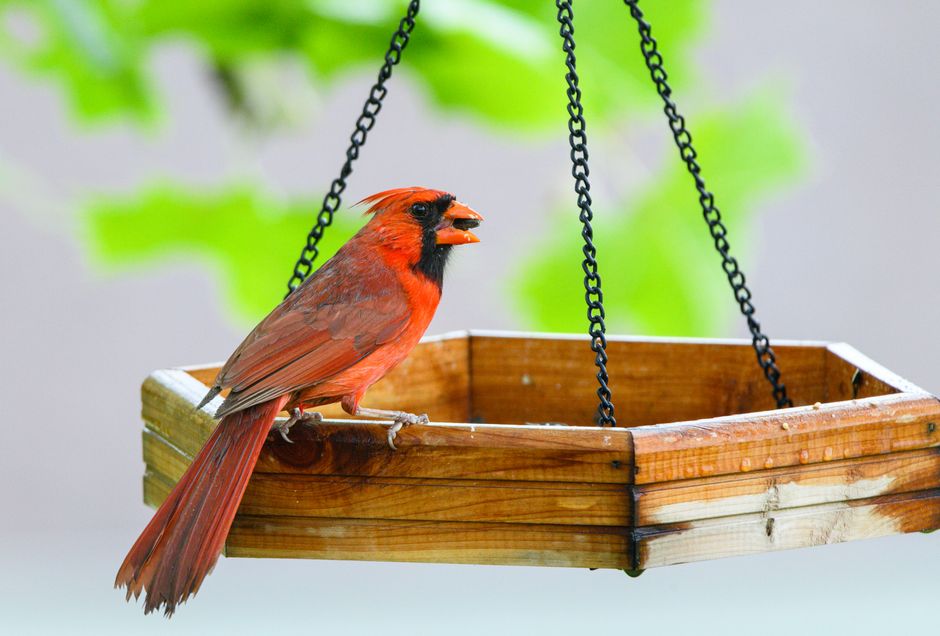
Winter presents the most significant challenges. Providing high-energy foods like sunflower hearts, suet, and peanuts can help birds survive the cold months. Feeders should be cleaned regularly to prevent disease transmission, and water should be kept ice-free through daily refreshing or the use of a heated model. In regions with heavy snowfall, clearing a small area of ground can allow ground-feeding birds to access fallen seeds.
Throughout the year, keep a journal to record the species that visit. This not only increases enjoyment but also provides data that can inform future adjustments. Over time, even a small garden can become a thriving microhabitat, contributing to urban biodiversity and offering a rewarding connection to nature.
By embracing native plants, providing water and nesting resources, and managing risks, a compact garden can become a vital refuge for birds.
Creating a bird-friendly garden in a small space is an achievable goal. It involves careful plant selection, the addition of water features, and the provision of safe nesting sites. While individual gardens are limited in size, collectively they can form a network of habitats that support bird populations in urban areas. The process of planning and tending such a garden is not only beneficial for wildlife but also offers a rewarding experience for the gardener. Ultimately, the success of such an endeavor depends on understanding local ecological needs and adapting practices accordingly.