Top 10 Backyard Birds to Spot This Spring
Spring brings a renewal of life, and for those interested in observing wildlife, backyards across North America become stages for a vibrant avian display. As temperatures rise and daylight extends, many bird species begin their migratory journeys or become more active in their breeding territories. For a beginner, the array of birds can be both exciting and overwhelming. This guide aims to provide a foundational overview of ten commonly encountered backyard birds, offering identification insights and details on their preferred habitats. By understanding these species, observers can enhance their appreciation and contribute to casual bird monitoring.
Birdwatching is an activity that requires patience and a keen eye. It is not about merely identifying a species but understanding its behavior, song, and interactions with the environment. This process is inherently educational, revealing the complexities of avian life. The following sections will introduce each bird, describe key physical characteristics, and suggest where one might typically see them. Whether you are a seasoned observer or new to the activity, the information presented here serves as a practical resource for springtime observations.
Common Springtime Visitors
The term ‘backyard bird’ encompasses a variety of species that have adapted to human-modified landscapes. These birds are often hardy, flexible, and accustomed to the presence of people. During spring, their activities shift towards nesting and feeding young, making them more visible as they gather resources. Observing these birds can provide insights into their life cycles and the ecological roles they play. Below is an introduction to some frequent avian guests, presented in an order that moves from the most widespread to those that may require a bit more searching.
1. Northern Cardinal
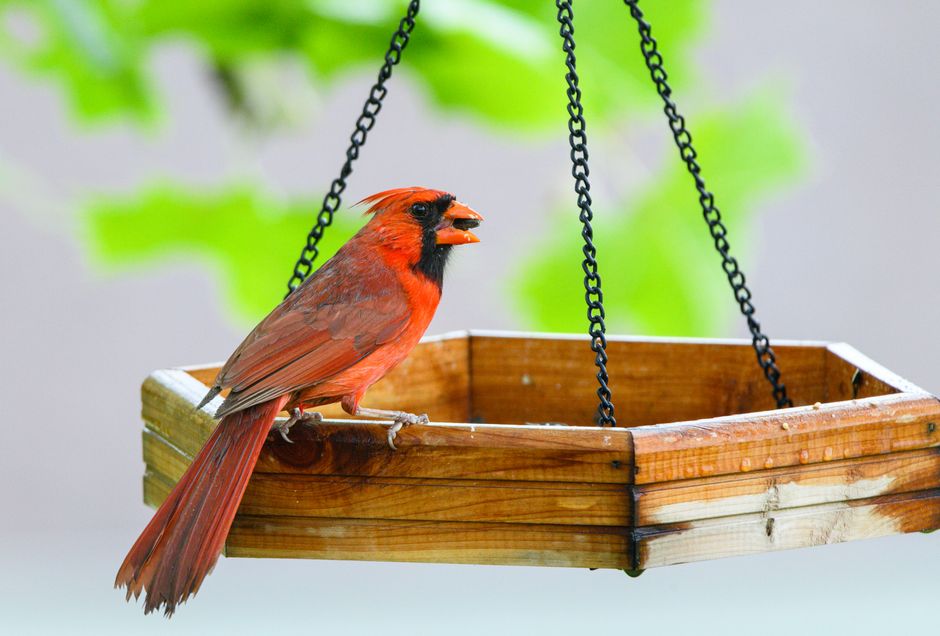
The Northern Cardinal (Cardinalis cardinalis) is a striking bird, easily identified by the male’s vivid red plumage and black mask, while the female exhibits a more subdued brown with red accents. They are year-round residents throughout much of the eastern United States and parts of the Southwest. In spring, their clear, whistled songs become prominent, often heard at dawn. Cardinals are ground feeders, so they are commonly seen hopping beneath feeders or foraging for seeds and insects. They prefer dense shrubbery for nesting, making suburban yards with hedges or thickets ideal habitats.
2. American Robin
One of the most recognizable birds, the American Robin (Turdus migratorius) is often considered a sign of spring, although many populations are year-round residents. They are thrushes, with a warm orange breast and dark gray back. Robins are frequently seen on lawns, where they hunt for earthworms by listening for movement. Their song is a series of clear, caroling phrases. In spring, they build cup-shaped nests in trees or on ledges, sometimes in close proximity to human activity. Observing their tugging behavior on worms is a common backyard sight.
3. Black-capped Chickadee
The Black-capped Chickadee (Poecile atricapillus) is a small, energetic bird with a black cap and bib, white cheeks, and gray back. They are curious and often approach humans closely, especially if food is offered. Chickadees are acrobatic foragers, hanging upside down to inspect branches for insects and seeds. Their call, a distinctive ‘chick-a-dee-dee-dee’, gives them their name. During spring, they excavate nesting cavities in dead wood, making old trees in the yard valuable. Their presence indicates a healthy, insect-rich environment.
4. Blue Jay
The Blue Jay (Cyanocitta cristata) is a bold, noisy bird with striking blue, white, and black plumage, and a prominent crest. They are intelligent and adaptable, often dominating feeders. Jays eat a wide variety of foods, including nuts, seeds, insects, and even eggs of other birds. Their calls range from a loud ‘jay’ to imitations of hawks. In spring, they build bulky stick nests in trees, and both parents participate in raising the young. Their behavior can be observed closely, but they are known to be wary.
5. House Finch
House Finches (Haemorhous mexicanus) are small, social birds. Males have red or orange coloring on the head, chest, and rump, while females are streaked brown. They are common at seed feeders, often in flocks. Their warbling song is cheerful and can be heard throughout the day. Native to the West, they have spread across the country. They nest in a variety of locations, including hanging planters, making them regular visitors to patios and porches. Observing their feeding behaviors provides insights into their dietary preferences and flock dynamics.
6. Mourning Dove
With a slender build and a long, pointed tail, the Mourning Dove (Zenaida macroura) has a gentle appearance. They are soft brown with black spots on the wings. Their cooing call is a common sound in spring. Doves feed on the ground, picking up seeds. They are often seen perched on wires or in trees. They build a flimsy nest of twigs, sometimes in surprising places like flowerpots. Their presence is a sign of a peaceful environment, and their flight pattern – a rapid climb followed by a silent glide – is distinct.
7. Downy Woodpecker
The Downy Woodpecker (Dryobates pubescens) is the smallest woodpecker in North America. It is black and white with a checkered back, and males have a red patch on the back of the head. These birds are common at suet feeders and can be seen clinging to tree trunks as they search for insects. In spring, they drum on resonant wood to establish territories and attract mates. They nest in cavities they excavate themselves. Their presence indicates a healthy tree population and an available food source.
8. European Starling
Although not native, the European Starling (Sturnus vulgaris) is widespread across North America. They are stocky, black birds with iridescent green and purple sheens, and in spring, their yellow bills are prominent. Starlings are highly gregarious, often forming large flocks. They are ground foragers, probing soil for insects, and will eat almost anything. Their songs include whistles and mimicry of other birds. They nest in cavities, sometimes competing with native species. Observing their behavior can be fascinating, but careful identification is needed to distinguish them from native blackbirds.
9. American Goldfinch
The American Goldfinch (Spinus tristis) is a vibrant yellow bird with a black cap and wings, though the female is more olive. Their spring molt brings out the males’ bright breeding plumage. They are acrobatic at thistle feeders. Goldfinches are among the last to nest, waiting until mid-summer when thistle down is available for lining nests. They feed on seeds, making them frequent visitors to weedy patches. Their undulating flight and sweet, canary-like songs are a delight to observe.
10. Chipping Sparrow
The Chipping Sparrow (Spizella passerina) is a neat, small sparrow with a rufous cap, white eyebrow, and gray underparts. They are often heard first, their trilling song resembling a fast, dry rattle. They forage on the ground, eating seeds and insects. In spring, they may form loose colonies, building cup nests in trees and shrubs. They are common across North America, and their presence adds a lively touch to grassy areas. Observing their hopping patterns and feeding behaviors can be rewarding for a patient observer.
Creating a Welcoming Habitat
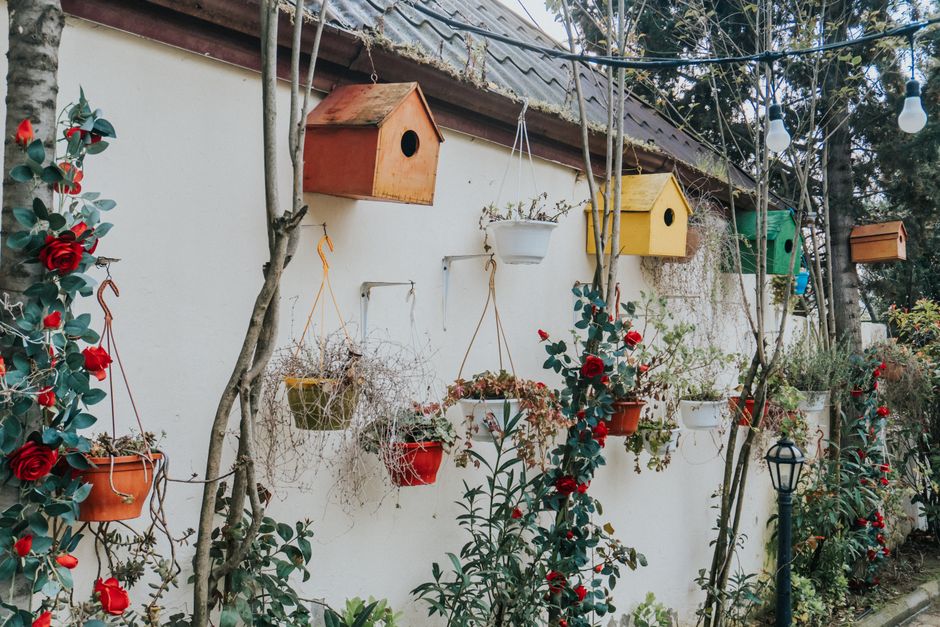
To enhance the chances of observing these birds, one can consider the elements that attract them: food, water, shelter, and nesting sites. Providing a variety of feeders with seeds such as sunflower, millet, and nyjer can cater to different species. A water source, like a birdbath, is essential for drinking and bathing. Natural vegetation, including native trees, shrubs, and flowers, offers cover and natural food sources. Avoiding pesticides and leaving some leaf litter can support insect populations, which many birds rely on. Each of these measures contributes to making a backyard more inviting to avian visitors.
Birdwatching is a rewarding hobby that can be enjoyed by people of all ages. The ten species described here represent just a fraction of the diversity that can be encountered. As spring progresses, the variety of birds may change, but with careful observation, the backyard can become a window into the natural world. For those interested in learning more, local birding groups and field guides provide additional resources. Remember that each observation adds to a broader understanding of local ecosystems, and sharing these experiences can foster a community of nature enthusiasts.
Featherwatch supports beginner birders by providing tools and resources to document their sightings. However, the primary value lies in the observation itself, which contributes to personal knowledge and enjoyment.